Desulfurization Systems Enhanced by RBSiC/SiSiC Components
In order to improve desulphurization system, application of RBSiC/SiSiC parts are in demand because they have long service life and good performance. Now let’s deeper into what it is about these parts and materials that make them so effective at helping to boost the performance of desulfurization operations.1.1) RBSiC/SiSiC components in desulfurization systems
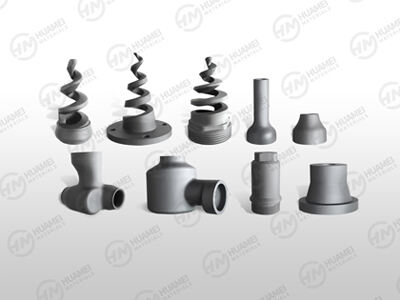
Richwin and Langley RBSiC/SiSiC products are ceramics based on silicon carbide, known for their excellent resistance to high temperatures, corrosive chemicals and wear. Desulfurisation systems that use these ingredients are often used to scrub industrial emissions of sulfur dioxide. Due to their high thermal conductivity and mechanical stability they are suitable for intense desulfurization process conditions with long term performance and reliability.
Benefits of RBSiC/SiSiC fittings in the desulphurisation sector
g, super sess-tnc:10", The excellent corrosion and erosion resistance of RBSiC/SiSiC materials is one of the promising features using these components in desulfurization plants. This enables them to have the structural integrity, and be able to withstand all but the harshest chemicals or high temperatures. Furthermore, RBSiC/SiSiC parts have very good thermal shock resistance, that is if they pass through big changes in temperature the products will not be crack or deteriorate. It guarantees reliable operation and long life ofdesulfurizing systems, which minimizes the maintenance cost and down time.
Betriebsoptimierung und Verlängerung von RBSiC/SiSiC Bauteilen
The utilization of RBSiC/SiSiC components in down Silicon Carbide (SiC) Burner Nozzles flow desulphurization units allows for an increase in the efficiency and durability of such systems. These parts can withstand even the most corrosive conditions for long lasting operation without regular re placement. The excellent thermal conductivities of RBSiC/SiSiC components can also serve to strengthen heat transfer in desulfurization systems, thus promoting utilization rate and energy-saving for sulfur removal. The added benefits are less cost and the more responsibility of operating.
Applications of RBSiC/SiSiC components with examples of their applicability
There are some successful application cases of RBSiC/SiSiC parts used in the desulfuration device. For instance, a power plant in China has used RBSiC/SiSiC parts of flue gas desulfuration systems with Silicon carbide (SiC) saggers/crucibles performance enhancement and lower maintenance cost. The parts exhibited very few wear and corrosion after years of service, which illustrated their high durability and long-term reliability. Repetitive use cases have been realized in other fields of industry, proving the adaptability and compatibility of RBSiC/SiSiC components for desulfurization.
Further perspectives on RBSiC/SiSiC parts within desulphurisation technology
With the high requirement of cleaner and more convenient industry producing, RBSiC/SiSiC components should be used in larger scale of desulfurization system. As a result, manufacturers are discovering the countless advantages Silicon carbide (SiC) pillars/columns of putting these high-performance ceramics to work in their systems for prolonged endurance and increased productivity. With the continuous progress of material science and manufacturing technology, there is a bright future for RBSiC/SiSiC components used in desulfurization device. Adopting these new and creative solutions will help industries grow sustainably without affecting the environment.